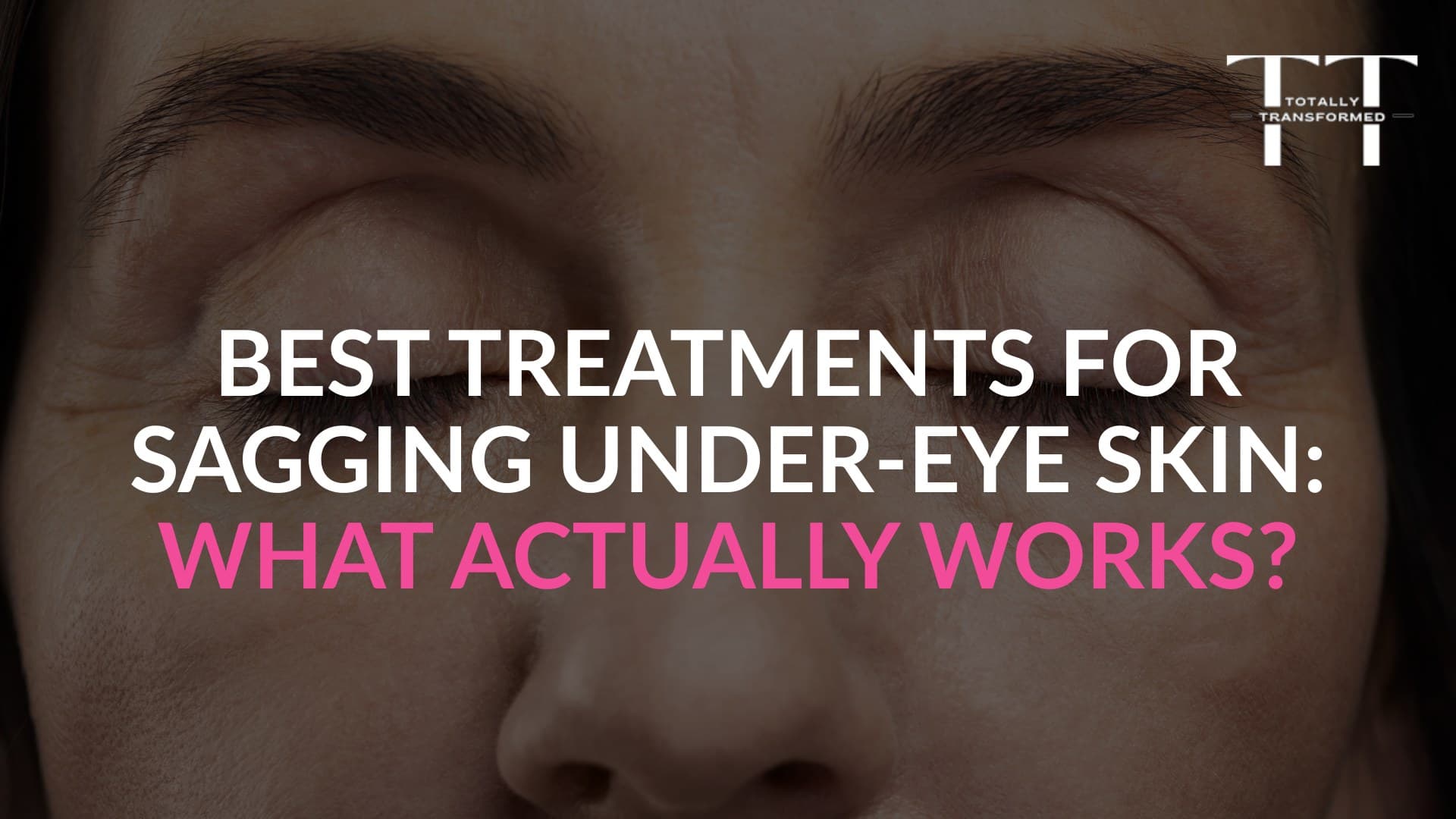
If you are reading this, chances are you have noticed that your under-eye area looks looser or more tired than before.
You are not imagining it.
Sagging under-eye skin is one of the earliest and most frustrating signs of aging. I noticed it myself after years of long screen hours, inconsistent sleep, and thinking eye cream alone would fix everything. It did not.
The good news is that some treatments truly work. Others do not.
This guide walks you through what actually helps, why it works, and how to choose the right option for you.
Why Under-Eye Skin Sags in the First Place
Before talking about treatments, we need to understand the cause.
Sagging is not random. It follows predictable changes in skin, fat, and support structures.
Natural Aging and Collagen Loss
As we age, collagen and elastin production decline. This usually accelerates after the mid-30s.
Under-eye skin is extremely thin, so even small collagen loss leads to visible looseness and fine creping.
Fat Pad Shifts and Volume Loss
The fat that once supported the under-eye area can shrink or shift downward over time.
This creates a hollow or droopy look, even if you are not puffy.
Lifestyle and Environmental Factors
Sun exposure, dehydration, poor sleep, allergies, and smoking all speed up collagen breakdown.
Chronic screen time and eye rubbing also worsen laxity over time.
Genetics and Facial Anatomy
Some people are genetically predisposed to thinner skin or weaker under-eye support.
This is why sagging can appear early, even in otherwise healthy individuals.
How to Tell If Your Under-Eye Issue Is Sagging
Not all under-eye problems are treated the same way.
Correct identification prevents wasted time and money.
Sagging vs Dark Circles
Sagging looks loose or crepey and does not disappear with rest.
Dark circles are usually pigment or visible blood vessels under thin skin.
Sagging vs Under-Eye Bags
Bags are often fluid retention or fat protrusion.
Sagging skin looks lax and folds when you smile or look down.
Do Eye Creams Really Work for Sagging Skin?
Eye creams have a role, but it is limited.
Understanding their true function helps set realistic expectations.
Ingredients That Help
Retinoids, peptides, antioxidants, and ceramides can improve texture and hydration.
They support collagen but do not replace lost structure.
Limitations of Topical Treatments
No eye cream can lift loose skin or reposition fat pads.
They work best for prevention and maintenance, not correction.
Non-Invasive Treatments That Show Results
Non-invasive treatments are often the first choice for mild to moderate under-eye sagging. They work by stimulating collagen production rather than altering facial structure. Results develop gradually and typically require multiple sessions, but downtime is minimal.
Radiofrequency Skin Tightening
Radiofrequency uses controlled heat to tighten skin and stimulate collagen. Improvement is gradual and best seen after a series of treatments, making it suitable for early laxity and ongoing maintenance.
Ultrasound Skin Tightening
Ultrasound reaches deeper tissue layers than radiofrequency. It is more effective for moderate sagging, with visible tightening developing over two to three months as collagen rebuilds.
Microneedling Treatments
Microneedling triggers collagen repair by creating controlled micro-injuries in the skin. It helps thicken thin under-eye skin and improve crepey texture over time with consistent treatments.
Injectable Treatments for Under-Eye Sagging
Injectable treatments can be effective for under-eye sagging, but only when the underlying cause is correctly identified. This area demands precision due to thin skin and limited space. Proper assessment and experienced technique are crucial for achieving natural-looking results and minimizing complications.
Under-Eye Fillers
Under-eye fillers are most helpful when sagging is related to volume loss rather than loose skin alone. When placed correctly, they can restore support and smooth transitions. Poor placement, however, may worsen puffiness, create uneven texture, or cause prolonged swelling.
Biostimulatory Injectables
Biostimulatory injectables do not provide immediate volume. Instead, they encourage your body to produce collagen over time. Results develop gradually, strengthening the skin structure and improving firmness over several months rather than delivering instant changes.
Laser Treatments for Under-Eye Skin Tightening
Laser treatments are often chosen when sagging is accompanied by uneven texture, fine lines, or thinning skin. They work by delivering controlled energy to stimulate collagen production. The strength of the laser determines both the level of improvement and the amount of recovery time required.
Non-Ablative Lasers
Non-ablative lasers heat the deeper layers of skin without damaging the surface. They help improve firmness and skin quality gradually. Results are subtle, making them ideal for early sagging or as a maintenance treatment, with minimal to no downtime.
Fractional and Ablative Lasers
Fractional and ablative lasers resurface the skin more aggressively by creating controlled injury. This triggers stronger collagen renewal and tightening. These treatments offer more noticeable results but require downtime, strict aftercare, and careful provider selection due to the sensitivity of the under-eye area.
Surgical Options for Advanced Under-Eye Sagging
When under-eye sagging becomes advanced, non-invasive treatments often reach their limits. Surgery is then the most effective option because it directly corrects excess skin, fat displacement, and structural laxity. While it requires downtime, surgery offers the most definitive and long-lasting improvement.
Lower Blepharoplasty
Lower blepharoplasty is designed to remove excess under-eye skin and reposition or remove fat for smoother contours. It addresses issues that devices and injectables cannot correct and typically delivers the most dramatic, long-term results when performed by an experienced surgeon.
Ideal Surgical Candidates
Surgical treatment is best suited for individuals with advanced sagging, significant skin laxity, or persistent under-eye concerns. Candidates should be in good overall health, understand recovery requirements, and have realistic expectations about outcomes and scarring.
Treatments That Do Not Work as Promised
With so much information online, it is easy to be drawn to quick fixes and dramatic claims. Many options for under-eye sagging sound convincing but offer little real benefit. Knowing what to avoid helps protect your skin and prevents unnecessary disappointment.
Common Myths and Overhyped Solutions
- DIY tightening hacks do not correct collagen loss or skin laxity
- Facial exercises cannot lift loose under-eye skin
- Single-session “miracle” devices rarely produce lasting results
- Aggressive at-home tools often cause irritation and inflammation
- Repeated irritation can worsen texture and thin the skin over time
How to Choose the Right Treatment
Choosing the right treatment can feel overwhelming, especially with so many options available. There is no single best solution for everyone. The most effective plan depends on what is causing the sagging, how advanced it is, and what fits realistically into your lifestyle and comfort level.
Mild vs Moderate vs Severe Sagging
Mild sagging often responds well to energy-based treatments that stimulate collagen and improve skin firmness. Moderate sagging usually benefits from a combination of tightening and volume support. Severe sagging typically requires surgical correction to achieve meaningful improvement.
Combining Treatments Safely
Combining treatments can produce better, more natural-looking results when done correctly. Collagen stimulation paired with volume support often works best. Proper timing and spacing between procedures are essential to avoid overcorrection and reduce unnecessary risk.
At Totally Transformed, treatment planning focuses on matching the approach to the cause of sagging, helping avoid unnecessary procedures while prioritizing safety and natural results.
How Long Results Last and Maintenance Needs
One of the most important things to understand about under-eye treatments is that results are not permanent. Skin continues to age, and collagen naturally breaks down over time. Longevity depends on the treatment used, your lifestyle, and how well results are maintained.
Treatment Longevity
Non-invasive treatments such as radiofrequency, ultrasound, and microneedling work gradually and require ongoing sessions to maintain firmness. Injectable treatments typically last longer, but their effects still fade as collagen and volume naturally decline.
Ongoing Maintenance
Daily sun protection, consistent skincare, adequate hydration, and healthy sleep habits help preserve results. Neglecting these basics can reverse improvements faster than most people expect, regardless of the treatment chosen.
Safety Considerations for the Under-Eye Area
The under-eye area is one of the most delicate and high-risk treatment zones on the face. The skin is thin, the blood vessels are superficial, and small errors can lead to visible issues. Because of this, safety, technique, and clinical judgment matter more here than anywhere else.
Provider Experience
Under-eye treatments require advanced anatomical knowledge and precise technique. Experienced providers know how to choose the right treatment, depth, and placement to reduce swelling, irregular texture, and complications. Always select licensed, trained professionals with specific experience treating the under-eye area.
Potential Risks
Even well-planned treatments carry some risk. Temporary swelling, bruising, redness, or uneven texture can occur, especially when treatments are rushed or poorly matched to the skin. Proper assessment, conservative treatment plans, and appropriate aftercare significantly reduce these risks.
Final Thoughts on Treating Sagging Under-Eye Skin
Sagging under-eye skin is common. You are not alone in noticing it.
We see many people feel frustrated because they tried everything except the right approach for their specific concern.
Once you understand the cause, treatment becomes clearer and far less overwhelming. With realistic expectations and proper guidance, visible improvement is absolutely possible.
If you are unsure where to start, that is normal. At Totally Transformed, we help you identify whether sagging comes from skin laxity, volume loss, or both. From there, we guide you toward safe, effective options that match your skin, lifestyle, and comfort level.
We believe informed decisions lead to better, safer, and more satisfying results.