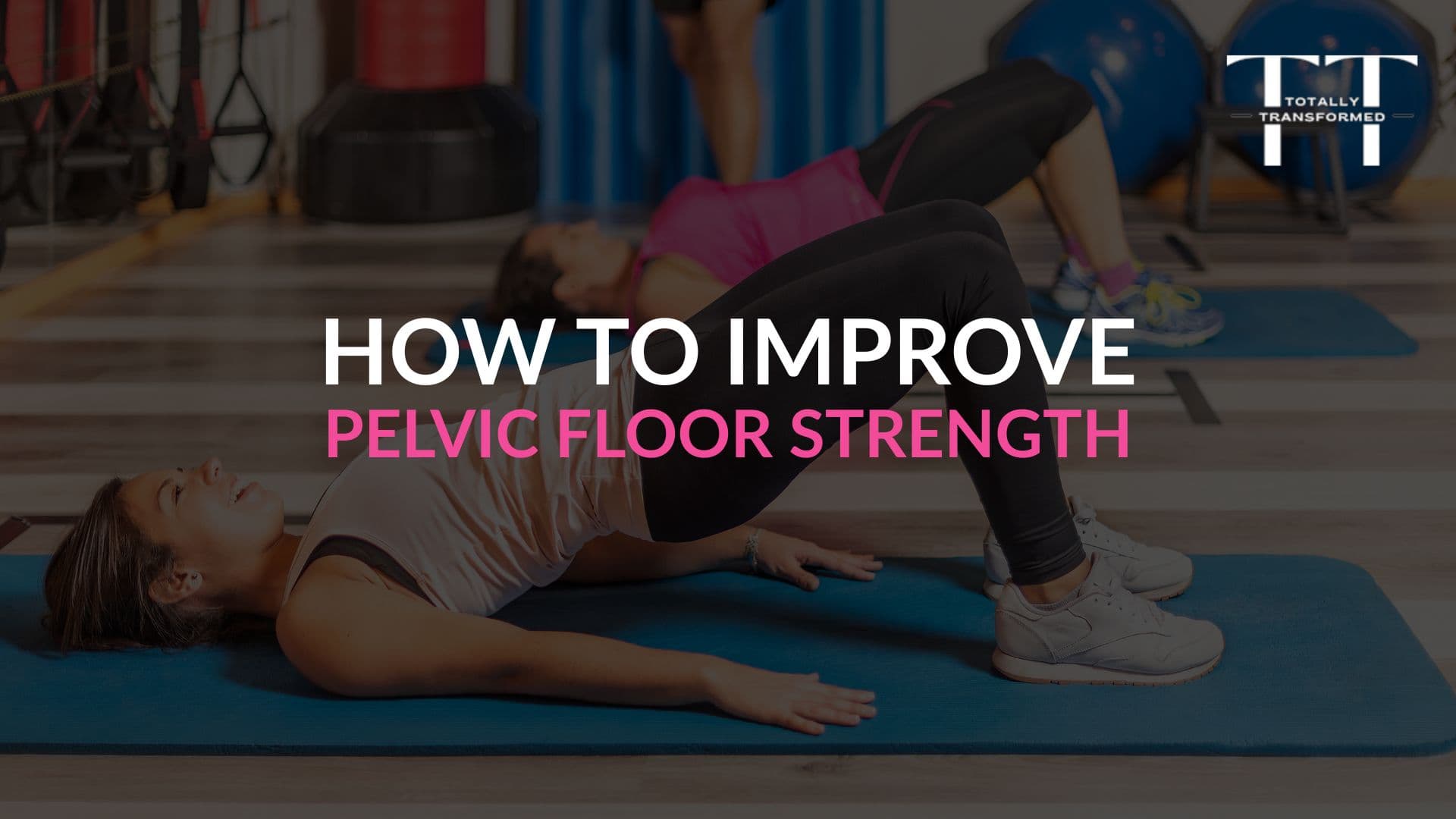
Struggling with leaks, pressure, or core weakness? Your pelvic floor muscles act like a hammock for your bladder, bowel, and (for women) uterus—strengthening them brings better control, posture, and confidence.
The best part? With the right mix of targeted exercises, breathing techniques, and daily habit tweaks, you can see results in just minutes a day.
At Totally Transformed, we create personalized plans that help you train the right muscles, avoid common mistakes, and achieve lasting results—faster and smarter.
Why Pelvic Floor Strength Is Important
A strong pelvic floor supports continence, prevents prolapse, and stabilizes your spine and core during movement. It also eases back or pelvic pain while enhancing sexual function and arousal. Whether postpartum, aging, or recovering from surgery, training restores strength and confidence.
Functions of the pelvic floor
- Support: Slings bladder, uterus/prostate, and rectum (levator ani, coccygeus; pelvic diaphragm).
- Continence: Contracts/relaxes the urethral and anal sphincters for leak control and complete emptying.
- Pressure control: Coordinates with the diaphragm/deep core to manage intra-abdominal pressure and protect the spine/SI joints.
- Sexual function: Contributes to arousal, erection, orgasm, and vaginal tone.
- Reflexive stability: Pre-activates before coughs, sneezes, lifts, running, and jumping.
Signs of weakness
Wondering if your pelvic floor might be underperforming? Common signs include:
- Leaks when you laugh, cough, sneeze, or run.
- A heavy or dragging sensation in the pelvis (possible prolapse).
- Difficulty holding in wind or fully emptying your bladder/bowel.
- Reduced sensation during intimacy.
If these sound familiar, don’t panic—weakness is common after childbirth, surgery, or as we age. The good news? Muscles respond to training just like any other.
Benefits of strengthening
Strengthening your pelvic floor delivers everyday wins:
- Better bladder and bowel control.
- Improved posture and spinal stability.
- Enhanced sexual satisfaction and confidence.
- Reduced risk of prolapse or injury.
- Faster recovery after pregnancy or pelvic surgery.
Think of it as upgrading your core system—less stress, more freedom to move, laugh, and live without worrying about leaks.
How to Engage the Right Muscles
Pelvic floor training only works if you’re squeezing the right muscles. Many people accidentally tighten their glutes, thighs, or even hold their breath instead. The key? Learn to isolate those hammock-like muscles at the base of your pelvis. With practice, you’ll feel the lift and release—not strain elsewhere.
Simple methods to identify them
Not sure you’ve found the right muscles? Try this: next time you urinate, stop mid-flow. That “lift” you feel is your pelvic floor engaging (but don’t do this as a regular exercise—it’s just a test). Another trick: imagine holding in gas quietly in a crowded room. Feel that gentle squeeze and lift? That’s it! Subtle, not forceful, and you should still be able to breathe normally.
Mistakes to avoid
Pelvic floor exercises can backfire if done incorrectly. Common slip-ups:
- Over-squeezing the buttocks or thighs instead of the pelvic floor.
- Holding your breath which increases downward pressure.
- Overtraining, leading to fatigue or tightness.
- Forgetting to relax after a squeeze.
The goal is control, not clenching. Quality > quantity every time.
When to seek professional help
If you’ve tried exercises for several weeks without improvement, or symptoms like leaking, pain, or heaviness persist, it’s smart to see a pelvic health physiotherapist. They can check if your muscles are weak, overactive, or need retraining. Biofeedback tools, internal exams, or tailored rehab plans may help. Don’t wait—early support prevents issues from becoming long-term.
Pro Tip: Pair pelvic floor squeezes with exhalation—breathing out helps you engage the right muscles without adding pressure.
Effective Pelvic Floor Exercises
Pelvic floor training works best when practiced consistently with the right technique. By combining long squeezes for strength, short squeezes for quick reactions, and practicing in different positions, you prepare your muscles for real-life demands. Think of it as a simple, daily workout that builds lasting control and confidence.
Long and short squeezes
Think of these as your pelvic floor’s strength and speed drills.
- Long squeezes: Gently tighten and lift your pelvic floor, hold for 5–10 seconds, then fully relax.
- Short squeezes: Contract quickly for 1–2 seconds, then release.
Mixing both builds endurance and quick reactions—helpful for surprise sneezes or coughs. Aim for a balance of strength and responsiveness, not just one or the other.
Best positions for practice
Start lying down—it’s easiest when gravity isn’t working against you. Progress to sitting, standing, and eventually adding them during daily tasks like brushing your teeth or waiting at a red light. Training in different positions prepares your pelvic floor for real-life demands.
Pro Tip: Start exercises lying down, then progress to sitting, standing, or doing daily tasks for real-life strength.
Checking if you’re doing them correctly
Not sure if you’re actually working the right muscles? Signs you’ve nailed it:
- A gentle lift inside, not a downward push.
- No holding of breath, clenching of thighs, or squeezing of buttocks.
- You can relax fully afterward.
Still unsure? A pelvic health physio can confirm with an exam or biofeedback.
Pro Tip: Always relax fully after each squeeze; balance strength with release to avoid tension and discomfort.
Building a Sustainable Routine
Just a few minutes of daily practice is enough to strengthen your pelvic floor. Tie exercises to everyday habits, and expect noticeable improvements within 6–12 weeks.
How often to practice
Like brushing your teeth, pelvic floor training works best with consistency. Aim for 1–2 sessions a day, each lasting about 5 minutes. That’s roughly 8–12 squeezes per set. Too much? Muscles fatigue. Too little? Progress slows. Think regular, gentle effort over marathon sessions.
Sample daily plan
- Morning: 10 long squeezes while lying in bed.
- Afternoon: 10 short squeezes while seated at your desk.
- Evening: A mix of long and short squeezes while standing or brushing teeth.
Layer it into existing habits—it’s easier to remember.
When to expect results
Most people notice changes—less leakage, better control, or improved core support—within 6–12 weeks. For some, it’s quicker; for others, longer. Like any workout, it depends on starting strength and consistency. Don’t get discouraged—progress is happening, even if subtle at first.
Pro Tip: Use cues like brushing your teeth or set app reminders to build a consistent exercise habit.
Lifestyle Habits That Support Strength
Every day choices impact pelvic health. Good nutrition, hydration, safe lifting, and a healthy weight all reduce strain and boost the benefits of your exercises.
Managing weight and constipation
Extra weight and chronic straining (hello, constipation!) place downward pressure on the pelvic floor. Maintaining a healthy weight and eating fiber-rich foods—think fruits, veggies, whole grains—helps keep bowel movements regular. Pair that with good hydration, and you’ll reduce strain on those hardworking muscles.
Protecting your pelvic floor during lifting and activity
When lifting groceries, weights, or even kids, exhale as you lift and engage your core gently. Avoid breath-holding (the Valsalva maneuver), which pushes down on the pelvic floor. Supportive posture and technique turn daily movements into protection instead of stress.
Healthy choices: diet, hydration, and limiting stimulants
What you consume matters. Caffeine, alcohol, and carbonated drinks can irritate the bladder and worsen leaks. Balance them with plenty of water. A nutrient-dense diet supports muscle recovery, while steady hydration keeps tissues supple. Small, consistent choices build long-term pelvic resilience.
Special Considerations
Pelvic floor needs to shift with life stages, from pregnancy to aging—and yes, men benefit too. Tailoring exercises to your body’s changes ensures safer, more effective results. Whether it’s guided recovery postpartum, maintaining strength through menopause, or supporting men’s health, consistent training adapts to every phase.
Pregnancy and postpartum
During pregnancy, the pelvic floor carries extra weight, and after birth it may feel stretched or weak. Gentle pelvic floor exercises, guided by a midwife or physiotherapist, can aid recovery, improve continence, and support healing—even after a C-section. Start slow, breathe, and focus on quality, not force.
Menopause and aging
As estrogen levels drop, pelvic tissues naturally lose elasticity and tone. This can lead to dryness, leaks, or prolapse. Regular pelvic floor training, paired with lifestyle support (hydration, movement, sometimes hormone therapy), helps preserve function and comfort well into later years.
Pelvic floor training for men
Yes, men have pelvic floors too! Strengthening helps with bladder control, erectile function, and recovery after prostate surgery. The same principles apply—squeeze, lift, relax—without tensing abs, buttocks, or thighs. Subtle, consistent practice yields noticeable benefits.
Take the Next Step Toward Pelvic Strength
Strengthening your pelvic floor is more than a health routine—it’s a life upgrade. With better control, comfort, and confidence, you’ll notice daily tasks feel easier, movement more natural, and intimacy more enjoyable. Small, consistent efforts create big, lasting results.
At Totally Transformed, we specialize in guiding you through this journey with personalized strategies, expert-led programs, and the right tools for your needs. Whether you’re postpartum, managing changes with age, or simply looking to improve your core health, we’re here to help you succeed.
Ready to reclaim strength and confidence? Let us help you transform—completely.
Frequently Asked Questions
How long before I notice improvement?
Most people notice changes like fewer leaks or better control within 6–12 weeks of consistent practice. Some improvements, such as awareness and coordination, may appear sooner, while long-term strength continues to build with regular effort.
Can everyone benefit?
Absolutely, pelvic floor training supports both men and women across all ages. Whether it’s postpartum recovery, aging changes, or post-surgery rehab, these exercises improve continence, stability, and overall quality of life.
What if exercises aren’t working?
If you’re not seeing results after a few months, you may be using the wrong technique or overtraining. A pelvic health physiotherapist can assess, guide, and recommend tools like biofeedback to get you back on track.
Are pelvic floor exercises safe to do every day?
Yes, daily practice is safe and encouraged, as long as you’re not over-squeezing or holding tension. The key is balance: effective contractions followed by full relaxation to keep the muscles healthy and responsive.
Do I need equipment to strengthen my pelvic floor?
Not at all. Most people improve with bodyweight exercises alone. However, tools like Kegel trainers, resistance weights, or biofeedback devices can add motivation and variety if you’d like extra guidance.