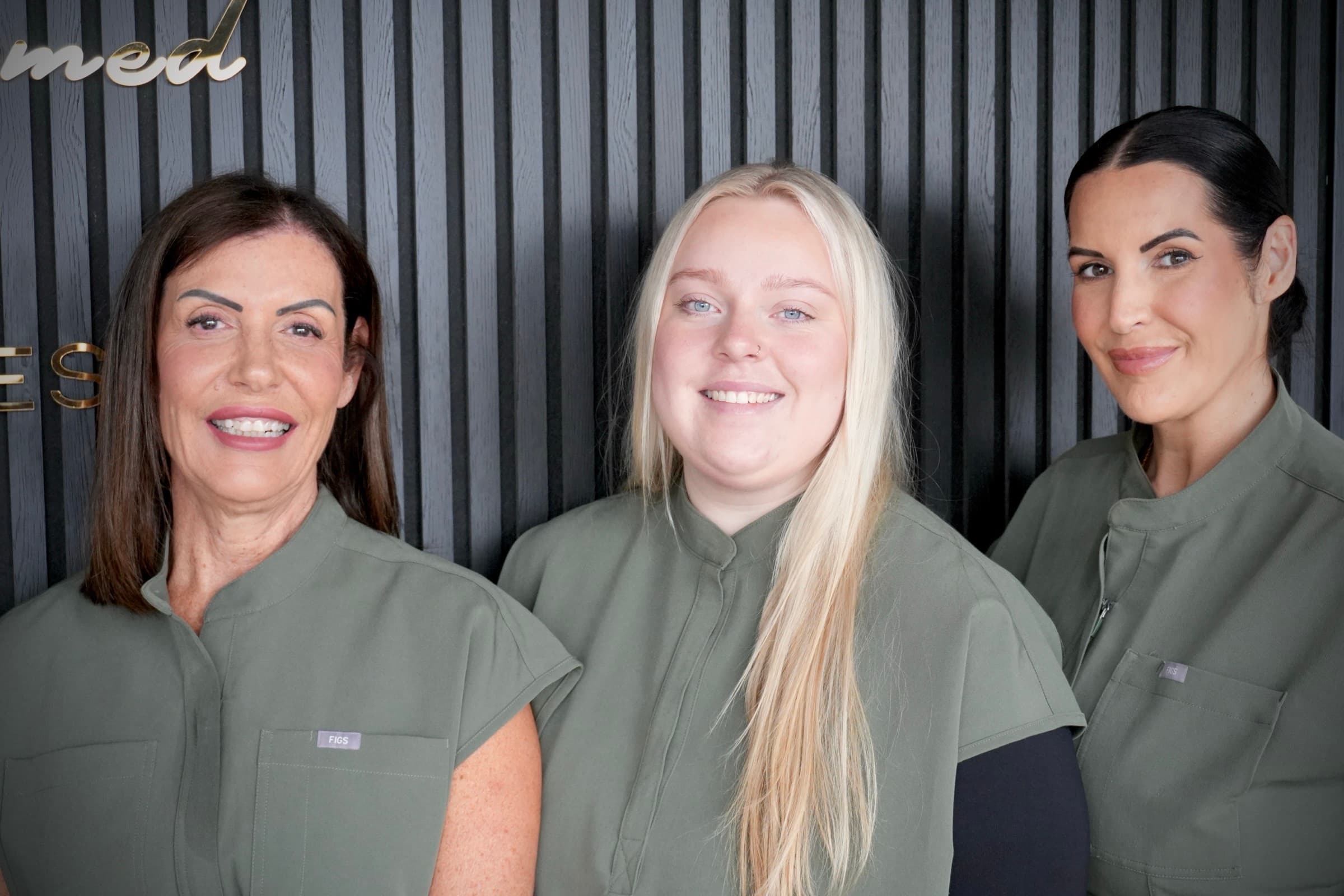
[Microneedling](https://totallytransformed.co.uk/treatments/face-treatments/microneedling/\) can sound simple on the surface, yet it often comes with a lot of unanswered questions. With so much information online, it’s easy to feel unsure about what’s accurate, what’s exaggerated, and what actually applies to your skin.
If you’re considering microneedling, doing your research first is a smart step. This FAQ addresses the questions people most often ask before treatment, covering safety, recovery, expected results, and common misconceptions. The goal is to give you clear, practical information so you can decide whether microneedling is right for you with confidence.
Common Questions About Microneedling
Questions about microneedling tend to arise at different stages—when you’re first considering the treatment, preparing for a session, or evaluating how your skin responds afterward. It’s natural to look for reassurance around safety, recovery, and expected results as you weigh your options.
Many people come across conflicting advice from social media, friends, or online searches, which can make it difficult to know what’s accurate or relevant to their own skin. Clear, consistent information helps remove that uncertainty and supports more confident, informed decisions.
Microneedling Safety FAQs
Safety is one of the most common concerns we hear from people considering microneedling. Understanding how the treatment works and what affects risk helps you make informed decisions with confidence.
Is microneedling safe?
Microneedling is considered safe when performed by a trained professional using medical-grade devices and sterile technique. It works by creating controlled micro-injuries that trigger the skin’s natural repair process. Most safety concerns arise from incorrect needle depth, poor technique, or aggressive at-home use.
Is microneedling safe for all skin types?
Microneedling can be suitable for most skin tones, including darker skin types, when performed correctly. Because it does not rely on heat, the risk of pigmentation issues is lower than with some energy-based treatments. Proper technique and treatment planning are more important than skin tone alone.
Are there risks or side effects?
Temporary side effects such as redness, mild swelling, and sensitivity are common and expected. These usually resolve within a few days as the skin heals. In our experience, complications are rare when treatments and aftercare guidelines are followed properly.
Is microneedling painful?
Microneedling is usually described as uncomfortable rather than painful. A topical numbing cream is typically applied beforehand to improve comfort. Sensation varies by area, with the forehead often feeling more sensitive than the cheeks.
Who should not get microneedling?
Microneedling may not be appropriate for people with active skin infections, certain inflammatory skin conditions, impaired wound healing, or specific medical contraindications. A professional consultation helps identify whether treatment is suitable and how it should be adjusted.
Microneedling Results FAQs
Understanding what microneedling can realistically achieve helps avoid disappointment and overpromising. Results depend on skin condition, treatment planning, and consistency over time.
What results can microneedling achieve?
Microneedling is commonly used to improve skin texture, fine lines, acne scarring, uneven tone, and overall skin quality. It works by stimulating collagen, which helps refine the skin rather than changing facial structure. Think gradual improvement, not instant transformation.
How long does it take to see results?
Some people notice an early glow within the first week as the skin recovers. True collagen remodeling takes longer and develops over time. In practice, visible changes appear within weeks, with continued improvement over several months.
How many microneedling sessions are needed?
Microneedling works best as a planned course of treatments rather than a one-off session. While a single treatment can help, most people see better results with multiple sessions spaced over time. A tailored maintenance plan helps keep improvements consistent.
How long do microneedling results last?
Microneedling results can be long-lasting when supported by good skincare habits and sun protection. However, collagen naturally breaks down with age. Periodic maintenance treatments help preserve results over time.
Does microneedling work on deep scars or wrinkles?
Microneedling can improve the appearance of deeper scars or wrinkles, but it has limitations. Results vary depending on severity, and combination treatments may sometimes be recommended. Setting realistic expectations is an important part of treatment planning.
Microneedling Recovery and Aftercare FAQs
Recovery and aftercare play a big role in how comfortable the healing process feels and how well results develop. Knowing what to expect helps you plan and avoid unnecessary setbacks.
What is the downtime after microneedling?
Downtime after microneedling is usually mild and short-lived. Most people experience redness for 24 to 72 hours, along with mild sensitivity or light flaking. Social downtime varies depending on how visible the redness feels to you.
What should I avoid after microneedling?
After microneedling, your skin needs time to heal and rebuild. It’s best to avoid direct sun exposure, strong active skincare ingredients, and heat or intense exercise for a short period. These precautions help reduce irritation and support better results.
Can I go back to work the same day?
Many people return to work the same day, especially if they work remotely or in low-visibility roles. If your job is client-facing, you may prefer waiting until redness settles. This decision is mostly about personal comfort rather than medical restriction.
How should I care for my skin after microneedling?
Post-treatment care should be simple and gentle. Focus on mild cleansing, hydration, sun protection, and minimal product use. In our experience, consistent aftercare has a direct impact on how smoothly the skin recovers and how well the results develop.
Microneedling Myths and Misconceptions
Microneedling is often misunderstood, which can lead to unnecessary concern or unrealistic expectations. Many myths come from outdated information or improper treatment methods. Let’s clarify what’s accurate and what’s not.
Does microneedling thin the skin?
Microneedling does not thin the skin when performed correctly. Instead, it stimulates collagen and elastin production, which helps support skin thickness and strength over time. This process is designed to improve skin structure, not weaken it.
Is at-home microneedling as effective as professional treatment?
At-home microneedling is not designed to deliver the same results as professional treatments. Home devices use shorter needles and cannot reach therapeutic depths needed for collagen stimulation. Incorrect use also increases the risk of irritation or infection.
Does microneedling cause permanent redness?
Permanent redness is not an expected outcome of properly performed microneedling. When redness lasts longer than normal, it is usually linked to excessive treatment depth, over-treatment, or inadequate aftercare. Professional technique helps prevent this.
Are microneedling results instant and permanent?
Microneedling results develop gradually as collagen remodeling takes place over several weeks. While results can be long-lasting, they are not permanent because collagen naturally breaks down with age. Maintenance treatments help extend the benefits.
Is microneedling unsafe for darker skin tones?
Microneedling can be suitable for darker skin tones when performed by an experienced practitioner. Because it does not rely on heat, the risk of pigmentation issues is lower than with some other treatments. Proper depth control and technique are essential.
Microneedling vs Other Skin Treatments
Many people compare microneedling with other popular skin treatments when deciding what’s right for them. Understanding how these options work helps set realistic expectations and avoid choosing a treatment for the wrong reason.
Microneedling vs chemical peels
Microneedling and chemical peels improve skin in different ways.
Microneedling:
- Stimulates collagen from within
- Improves texture and firmness over time
Chemical peels:
- Focus on surface exfoliation
- Target pigmentation, dullness, and uneven tone
They serve different purposes and are often used together as part of a broader skin plan.
Microneedling vs laser treatments
Laser treatments rely on heat to create controlled skin injury.
Microneedling uses mechanical stimulation without heat.
This difference affects:
- Downtime, which may be shorter with microneedling
- Skin type suitability, particularly for darker skin tones
- Treatment goals, such as texture versus pigment or vascular concerns
Each option has its place, depending on skin type and concerns.
Choosing a Microneedling Provider
Who performs your microneedling treatment matters just as much as the device itself. Technique, judgment, and experience all play a role in how safe the treatment feels and how well your skin recovers.
Why practitioner experience matters
Microneedling is highly technique-dependent. Small differences in depth, pressure, and treatment pattern can change outcomes.
Experience directly affects:
- Safety, by reducing unnecessary skin trauma
- Results, through correct depth and treatment planning
- Comfort, by adjusting technique in real time
- Recovery, by avoiding over-treatment
We’ve seen firsthand how results can vary depending on who performs the treatment.
What questions should I ask before microneedling?
A reputable provider should be comfortable answering questions and explaining their approach.
It’s reasonable to ask about:
- Training and experience
- Devices and protocols used
- How your treatment plan is decided
- Aftercare guidance and follow-up support
A good provider welcomes these conversations and sees them as part of safe care.
Final Thoughts and Next Steps
If you’re researching microneedling carefully, you’re already on the right path. We see this often with people who want clear information before making decisions about their skin.
Microneedling isn’t about trends or quick promises. It works best as part of a well-planned approach guided by professionals who understand skin healing and individual needs.
At Totally Transformed, we start with a proper consultation. We assess your skin, explain what microneedling can realistically achieve, and help you decide whether it’s the right option—without pressure.
If you still have questions or would like to talk things through, you’re welcome to contact us. We believe the next step should always be a conversation, not a commitment.