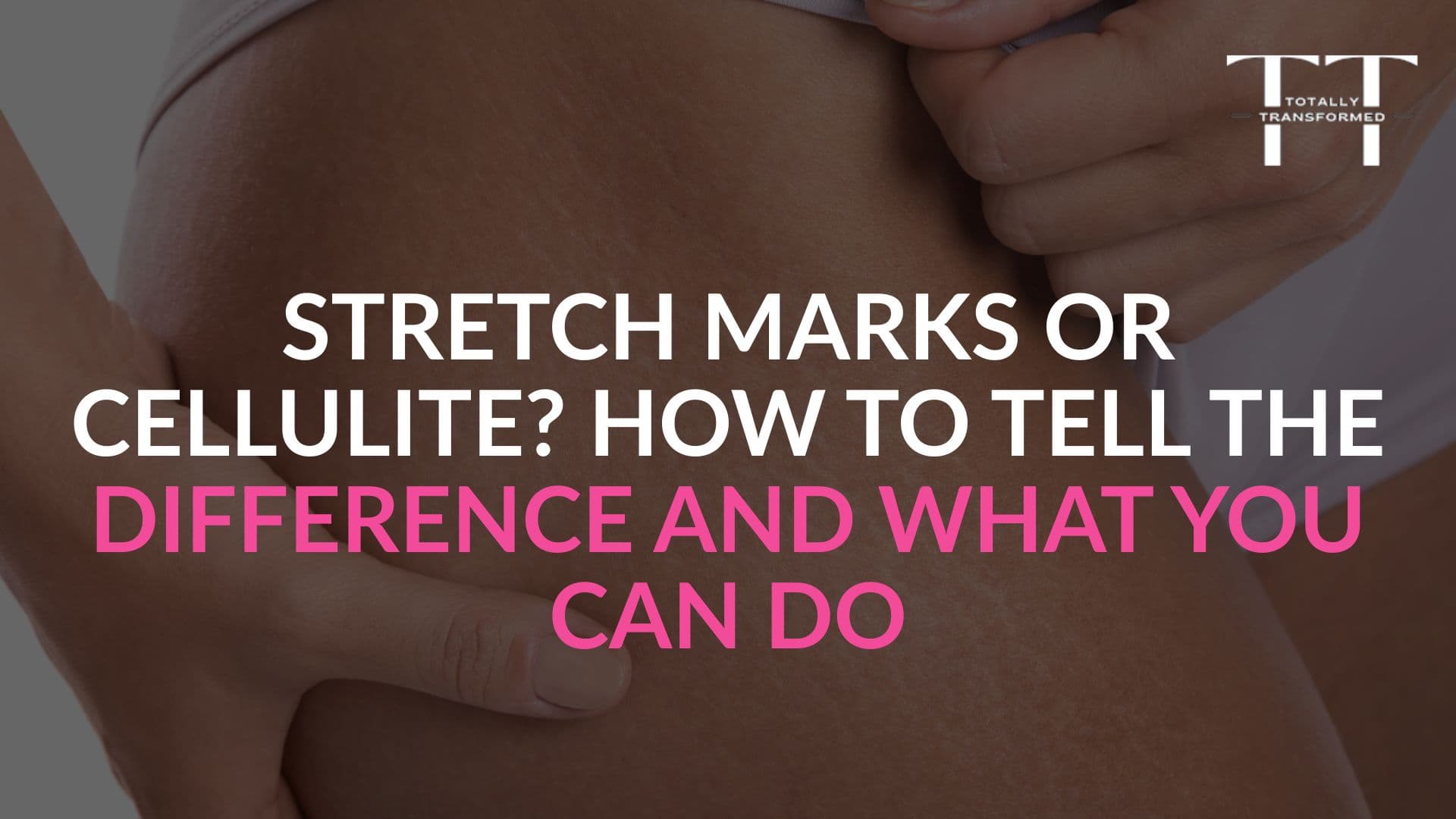
If you are looking at your skin and wondering, “Is this stretch marks or cellulite?” you are not alone. We hear this question often, especially from women noticing changes after weight shifts, pregnancy, or simply getting older.
Both conditions are common. Both tend to appear in similar areas. And both are often misunderstood.
But they are not the same.
I have dealt with both myself after gradual weight changes in my forties. At first, I tried treating them the same way. That did not work. Once I understood the difference, my results improved, and my expectations became realistic.
Let us walk through this together.
Why These Two Are Often Confused
Stretch marks and cellulite are commonly mixed up because they tend to show up during the same life stages. Many people first notice them after pregnancy, weight changes, hormonal shifts, or as skin naturally becomes thinner with age.
There are a few key reasons the confusion happens:
- They appear in the same areas, such as the thighs, hips, buttocks, and abdomen, making it easy to assume they are the same issue
- Both are influenced by hormones and genetics, which means they can appear even when lifestyle habits are healthy
- Neither is a sign of poor health, yet both are often discussed in negative or misleading ways
Another reason is how they look under certain lighting or positions. Skin texture can change when standing, sitting, or moving, which makes it harder to tell whether you are seeing lines in the skin or dimpling beneath it.
Despite looking similar at a glance, stretch marks and cellulite come from very different processes under the skin. That difference is important because the right solution depends on understanding what is actually causing the change you see.
What Are Stretch Marks?
Stretch marks are a form of skin change caused by rapid stretching. They affect the deeper layers of the skin and behave very differently from surface texture concerns.
How Stretch Marks Form
Stretch marks develop when the skin stretches faster than collagen and elastin can adjust. This leads to small tears in the dermis, the skin’s supportive layer.
Common triggers include:
- Pregnancy
- Weight gain or weight loss
- Growth spurts
- Muscle gain
- Hormonal changes
Because they involve structural damage, stretch marks cannot be treated like surface-level skin concerns.
What Stretch Marks Look and Feel Like
Stretch marks appear as visible lines or streaks, not dimples.
Over time, they typically progress through stages:
- Early stage: red, pink, or purple
- Mature stage: white or silvery
- Texture: thin, smooth, or slightly indented
They usually remain visible regardless of movement or body position.
Where Stretch Marks Usually Appear
Stretch marks most commonly show up on:
- Thighs
- Hips
- Stomach
- Breasts
- Arms
- Lower back
What Is Cellulite?
Cellulite is a structural skin concern caused by changes beneath the surface. It affects the way fat, connective tissue, and skin interact, rather than damaging the skin itself.
H3: How Cellulite Develops
Cellulite forms when fat cells push upward against connective tissue bands under the skin. This creates a dimpled or uneven surface.
Several factors influence its development:
- Genetics
- Hormones, especially estrogen
- Skin thickness
- Fat distribution
- Circulation and lymphatic flow
Cellulite is not caused by skin injury. It reflects how tissue is organized beneath the skin.
What Cellulite Looks and Feels Like
Cellulite typically appears as:
- Dimpling
- Lumpy or uneven texture
- An orange peel appearance
It often becomes more noticeable when standing, relaxing the muscles, or gently squeezing the skin.
Where Cellulite Commonly Appears
Cellulite most often affects:
- Thighs
- Buttocks
- Hips
- Abdomen
Stretch Marks vs Cellulite: Key Differences at a Glance
If you are unsure what you are seeing on your skin, this side-by-side comparison can help clarify it quickly. Stretch marks and cellulite may appear in similar areas, but they differ in cause, texture, and how they respond to treatment.
| Feature | Stretch Marks | Cellulite |
|---|---|---|
| Main cause | Skin stretching and collagen disruption | Fat pushing through connective tissue |
| Appearance | Lines or streaks | Dimpling or uneven texture |
| Texture | Thin or smooth | Lumpy or puckered |
| Movement effect | Visible all the time | Often position dependent |
| Treatment focus | Skin repair and collagen | Tissue structure and circulation |
Understanding these differences helps set realistic expectations. Once you know whether you are dealing with stretch marks, cellulite, or both, it becomes much easier to choose the right approach and avoid treatments that are unlikely to work.
Common Myths and Misconceptions
Misinformation around stretch marks and cellulite is common and often leads to frustration. Clearing up these myths helps set realistic expectations and prevents wasted time on ineffective solutions.
Stretch Marks Are Just a Weight Issue
Stretch marks are not caused by weight alone. Hormonal changes, genetics, pregnancy, and growth spurts can all stretch the skin enough to create them, even when body weight stays stable.
Cellulite Only Affects Overweight People
Cellulite is not a body size issue. It appears in people of all shapes and weights, including those who are slim or athletic, because it is influenced by tissue structure rather than fat amount alone.
Creams Can Completely Remove Both
Topical products can support skin hydration and texture, but they cannot fully remove stretch marks or cellulite. These conditions form beneath the surface and usually require deeper interventions for visible change.
Exercise Alone Can Eliminate Cellulite
Exercise improves muscle tone and circulation, which may reduce how visible cellulite looks. However, it does not change the connective tissue pattern responsible for cellulite formation.
Stretch Marks and Cellulite Are the Same Thing
Although they may appear similar at a glance, stretch marks and cellulite are biologically different. Treating them the same way often leads to disappointing results.
Can You Have Both at the Same Time?
Yes. Many people do.
Stretch marks and cellulite often appear together because they are triggered by similar life changes. Pregnancy, weight fluctuations, and age-related skin thinning can affect both the skin’s structure and the tissue beneath it at the same time.
We regularly see clients who assume they have only one concern. In reality, they may have stretch marks in one area and cellulite in another, or both may overlap in the same region.
When only one condition is treated, results often fall short. Addressing each concern separately leads to clearer expectations and more noticeable improvement.
What Actually Helps Stretch Marks
Stretch marks improve when treatment focuses on repairing the deeper layers of the skin. Because they form below the surface, progress is usually gradual and depends on consistency, timing, and the method used.
At-Home Options
At home, the goal is to support skin elasticity and overall skin health. These steps will not remove stretch marks, but they can help reduce dryness, improve skin texture, and support early healing.
Helpful habits include:
- Consistent skin hydration to keep skin supple and reduce further stress on collagen
- Gentle massage to support circulation and nutrient delivery to the skin
- Ingredients that support the skin barrier and renewal, which may help early or newly formed stretch marks
At-home care is most helpful for stretch marks that are still red or pink and works best as a long-term routine.
Professional Treatments
For older or more visible stretch marks, professional treatments are often needed to stimulate deeper repair.
Common in-clinic options include:
- Microneedling, which triggers collagen production through controlled skin injury
- Laser-based treatments, which target texture and discoloration
- Combination approaches designed for mature stretch marks that no longer respond to topical care
These treatments aim to rebuild skin structure over time. Results typically appear gradually across multiple sessions rather than immediately.
What Actually Helps Cellulite
Stretch marks improve when treatment focuses on repairing the deeper layers of the skin. Because they form below the surface, progress is usually gradual and depends on consistency, timing, and the method used.
At-Home Options
At home, the goal is to support skin elasticity and overall skin health. These steps will not remove stretch marks, but they can help reduce dryness, improve skin texture, and support early healing.
Helpful habits include:
- Consistent skin hydration to keep skin supple and reduce further stress on collagen
- Gentle massage to support circulation and nutrient delivery to the skin
- Ingredients that support the skin barrier and renewal, which may help early or newly formed stretch marks
At-home care is most helpful for stretch marks that are still red or pink and works best as a long-term routine.
Professional Treatments
For older or more visible stretch marks, professional treatments are often needed to stimulate deeper repair.
Common in-clinic options include:
- Microneedling, which triggers collagen production through controlled skin injury
- Laser-based treatments, which target texture and discoloration
- Combination approaches designed for mature stretch marks that no longer respond to topical care
These treatments aim to rebuild skin structure over time. Results typically appear gradually across multiple sessions rather than immediately.
Why One Treatment Does Not Fix Both
Although stretch marks and cellulite may appear in the same areas, they are driven by very different changes under the skin.
Stretch marks require collagen repair and skin regeneration because the damage occurs within the deeper layers of the skin itself. Treatments must focus on rebuilding that structure over time.
Cellulite, on the other hand, requires changes in tissue structure beneath the skin. Effective approaches target fat distribution, connective tissue tension, and circulation rather than the skin surface alone.
When the wrong treatment is used, results are usually limited or disappointing. This is why proper identification of the condition is the most important first step before choosing any solution.
How to Decide What You’re Dealing With
Although stretch marks and cellulite may appear in the same areas, they are driven by very different changes under the skin.
Stretch marks require collagen repair and skin regeneration because the damage occurs within the deeper layers of the skin itself. Treatments must focus on rebuilding that structure over time.
Cellulite, on the other hand, requires changes in tissue structure beneath the skin. Effective approaches target fat distribution, connective tissue tension, and circulation rather than the skin surface alone.
When the wrong treatment is used, results are usually limited or disappointing. This is why proper identification of the condition is the most important first step before choosing any solution.
Final Thoughts: Understanding Leads to Better Results
Stretch marks and cellulite are common and normal. They are not flaws.
When you understand what you are seeing, it becomes easier to choose options that are realistic and effective. Clear expectations lead to better results and less frustration.
At Totally Transformed, we start with a thorough assessment to determine what your skin truly needs. From there, we help create a plan that fits your goals without guesswork.
You deserve clear answers and honest guidance. We are here to help.